"Climate and ecosystem dynamics vary across timescales, but research into climate-driven vegetation dynamics usually focuses on singular timescales. We developed a spectral analysis–based approach that provides detailed estimates of the timescales at which vegetation tracks climate change, from 101...
"The Permian–Triassic mass extinction was a pivotal event in shaping marine benthic ecosystems, leading to the rise of mollusks such as bivalves and gastropods as representatives of the Modern Evolutionary Fauna. However, the detailed changes in the ecological structure of marine benthic communitie...
"This study presents the first report on Middle Jurassic plant fossils from the Khamarkhoovor Formation, Dovtsog Khudag area, East Gobi Basin, Mongolia. 20 species of fossil plants from 11 genera have been identified, including liverworts, horsetails, ferns, cycadophytes, ginkgophytes, czekanowskia...
"Incorporating paleontological data into phylogenetic inference can greatly enrich our understanding of evolutionary relationships by providing insights into the diversity and morphological evolution of a clade over geological timescales. Phylogenetic analysis of fossil data has been significantly ...
The deadline for the workshop call has expired. We will now sit down as a team and make a decision. We will inform you about the result as soon as possible!
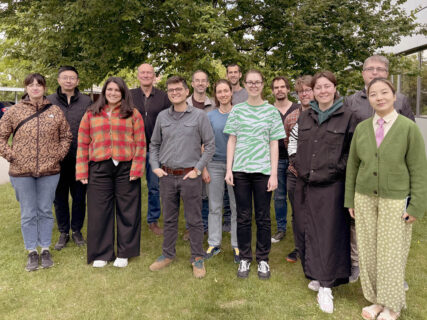
After a week of hard work and discussions the PRIME workshops ends today in the late afternoon. Fruitful discussions and breakout groups made good progress and we are looking forward to the outcomes to be published.
Let's go! Today marks the start of the 5-day PRIME workshop led by Bethany Allen (Potsdam) and Baran Karapunar (Leeds). .... let's discuss mass extinction!
"The straight-tusked elephant (Palaeoloxodon antiquus) was amongst the largest herbivores once engineering the European landscape on a continental scale. In combination with the glacial-interglacial cycles of the Pleis tocene, the species was an integral part of the control regimes that shaped Euro...
"Paleobiology was founded 50 years ago to provide an outlet for biological paleontology, with an emphasis on investigating evolutionary patterns and processes that could apply generally across the history of life. While the intellectual and financial prospects for Paleobiology were uncertain in the...
A new DDCP publication!
"In the last 50 years, the field of paleobiology has undergone a computational revolution that opened multiple new avenues for recording, storing, and analyzing vital data on the history of life on Earth. With these advances, the amount of data available for research has ...